Danger level
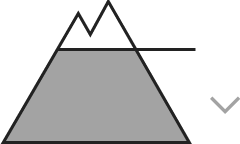
 | 1800m |
|  |
|  |
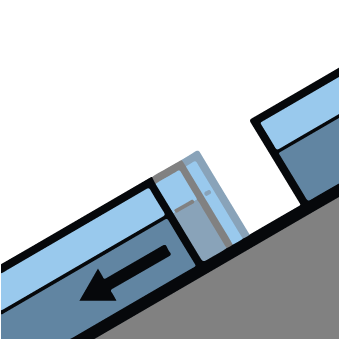

Fresh drift snow of rather low thickness, preferably in gullies and hollows.
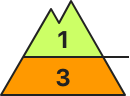
The avalanche risk is rated as low. Channels and hollows are increasingly being filled with fresh drift snow, usually of only minimal thickness. Areas above the tree line in the extended eastern sector are mainly affected. In addition, there are still isolated problems with old snow in the north-facing steep terrain of the high altitudes. If there is a large additional load, the possibility of a snow slab being triggered cannot be completely ruled out, although the risk of falling is more likely to predominate in extremely steep terrain.
Snowpack
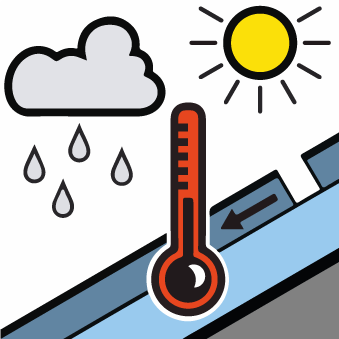
With the change to significantly lower temperatures, the snow cover, which had previously become quite soft, has hardened and stabilised. With the (small) increase in fresh snow in combination with wind and low temperatures, drifting snow that can be transported can form. This cold snow binds poorly to the hardened old snow surfaces. The new drift zones mainly affect hollow forms such as gullies and hollows. At high altitudes, weak layers in the form of angular snow crystals on a crust of melted snow can still occur very occasionally within the older drift snow packs. There is little snow below around 1,300 metres, and grassy areas tend to be covered with a thin layer of snow.
Tendency
Little change.