
Danger level
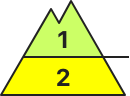 | 3000m |
| 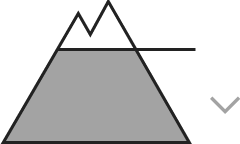 |
|  |
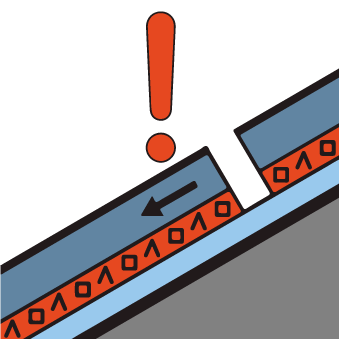

This is a test for the translation
Weak layer, surface maturity, fracture propagation
The avalanche danger is moderate from 2000 metres upwards, and low below that. Low-volume, fresh drift snow can be susceptible to small-scale disruptions. Older accumulations of drift snow lie on a weak foundation of old snow at high altitudes and can still be triggered in isolated cases, especially on very steep shady slopes. Avalanches can occasionally reach medium size if they start or tear through weak layers of old snow. Spontaneous, mostly small sliding snow avalanches are possible.
Snowpack
dp.1: deep persistent weak layer
dp.3: rain
The avalanche danger is moderate from 2000 metres upwards, and low below that. Low-volume, fresh drift snow can be prone to small-scale disruptions. Older accumulations of drift snow lie on a weak foundation of old snow at high altitudes and can still be triggered in isolated cases, especially on very steep shady slopes. Avalanches can occasionally reach medium size if they start or tear through weak layers of old snow. Spontaneous, mostly small sliding snow avalanches are possible. Around 5-10 cm of fresh snow is deposited on shady slopes above 1800-2000 m on a partly still loose snow surface. In places, the surface is snowed in. There are weak layers in the old snow cover on very steep, shady slopes: On the one hand, the snow was able to build up in angular form close to the ground, especially in areas with little snow, and on the other hand, angular crystals have also formed below the melt crusts near the surface. Loose, dry snow can still be found protected from the wind on the shady side.
Tendency
With 10-20 cm of fresh snow by Friday evening, the avalanche danger will increase slightly.